Summer Sunglass Embroidery Design Review
As an experienced embroidery designer, I am constantly scanning for digital assets that can elevate a boutique collection. When browsing Creative Fabrica embroidery options for a new seasonal drop, the Summer Sunglass Embroidery Design caught my eye immediately. It is marketed as a perfect accent for various projects, and after analyzing its potential for sweatshirts, tote bags, and t-shirts, I believe it holds significant promise for handmade business owners looking to expand their inventory.
This review explores how this design fits into a real-world apparel workflow, specifically focusing on creating a cohesive summer collection for small clothing brands and Etsy sellers. Whether you are stitching onto kids' clothing or preparing signs for a market stall, understanding the visual personality of the file is crucial before hitting the "start" button on your machine.
First Impressions: Visual Mood and Personality
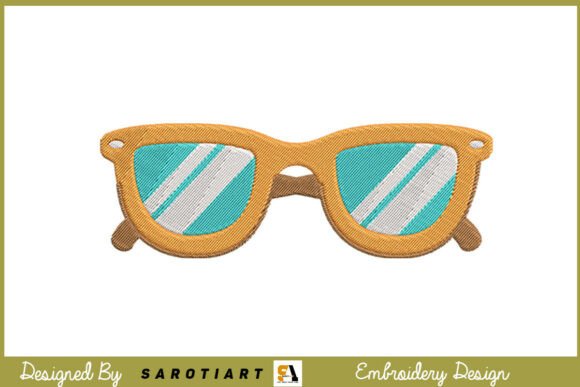
The moment you open the file, the Summer Sunglass Embroidery Design exudes a playful yet chic vibe. Unlike heavy, dense fill designs that can overwhelm delicate fabrics, this piece relies on line art aesthetics. The description mentions "Love Hands," suggesting a soft, human element paired with the sunglasses motif. This combination creates a mood that is both trendy and approachable.
For a boutique brand, this balance is essential. The design feels casual enough for a weekend brunch but polished enough for a gift shop display. It avoids being overly cute or childish, making it versatile for adult apparel as well as children's items. The line art style implies a modern, minimalist aesthetic that aligns perfectly with current fashion trends where clean lines and negative space are highly valued. It suggests a premium feel without requiring complex shading techniques that might bog down production time.
Ideas for Sweatshirt and Hoodie Collections
One of the most exciting applications for this design is in the realm of sweatshirt embroidery. Imagine a collection of oversized hoodies in neutral tones like oatmeal, heather grey, or soft sage. Placing the Summer Sunglass Embroidery Design on the left chest creates a subtle brand mark that looks professional and understated. It adds just enough personality to distinguish the garment from generic stock.
For a bolder statement, consider placing the design on the back of a pastel hoodie. The line art style allows the thread colors to pop against lighter backgrounds without creating a heavy, stiff patch of stitching. If you are working with dark garments, using white or metallic threads for the line art could create a striking contrast, turning the design into a focal point. The versatility extends to sleeve accents as well; a smaller iteration of the design on the cuff or upper arm offers a unique detail that customers love to spot in social media photos.
When designing for hoodie design projects, the lightweight nature of the line art is a major asset. Heavy satin stitches can sometimes cause puckering on fleece, but a well-executed line art design distributes tension more evenly. This ensures that the fabric retains its soft drape, which is critical for high-quality finished products.
Expanding Beyond Apparel
While apparel is a primary focus, the product description highlights its suitability for tote bags and signs. For an Etsy seller, this opens up opportunities for lifestyle product photography. A canvas tote bag embroidered with this design serves as a perfect prop for marketing images. It transforms a simple accessory into a branded item that reinforces customer loyalty.
The design also works exceptionally well for customizing denim jackets. The rugged texture of denim pairs beautifully with the smooth lines of the embroidery, creating a vintage-inspired look. Furthermore, for those selling digital files or printable mockups, this design provides excellent versatility for showcasing virtual prototypes. You can easily visualize how it would look on various merchandise, helping you plan your commercial embroidery strategy before cutting any fabric.
Strategic Placement and Fabric Considerations
As a designer, I must advise caution when selecting placement areas. While the design is flexible, certain fabric types require specific handling. For instance, applying this to stretchy fabrics like jersey t-shirts requires a strong stabilizer to prevent distortion. The ribbed fabric found on cuffs and necklines presents another challenge; while the design is small, the curvature of these areas can make flat stitching difficult if not hooped correctly.
Dense stitch areas should be avoided if the underlying garment material is thin or prone to tearing. Although this is a line art design, ensuring the stitch density is appropriate for the final fabric weight is non-negotiable. On dark garments, the choice of thread color becomes paramount. High contrast is usually best, but low-contrast tonal stitching can offer a sophisticated, textured look if executed with precision.
When planning for small chest placement, ensure the design is scaled correctly. Too large, and it will look out of proportion on a child's shirt; too small, and the details may get lost in the stitching process. Always inspect the hoop size compatibility to ensure the entire design fits within your machine's reach without needing multiple hooping steps, which can lead to registration errors.
Impact on Brand Identity and Value
In the competitive world of handmade products, visual consistency is key to building buyer trust. Using a cohesive design like the Summer Sunglass Embroidery Design across a range of products—from t-shirts to tote bags—creates a unified brand identity. Customers begin to recognize the aesthetic immediately, which fosters a sense of familiarity and reliability.
A well-executed embroidery project elevates the perceived value of the item. It signals to the customer that care was taken in the creation process. This attention to detail directly impacts customer engagement and encourages repeat purchases. When a shopper sees a professionally stitched logo or graphic on a cozy seasonal outfit, they are more likely to view the item as a premium good rather than a disposable commodity.
For commercial embroidery businesses, having a library of reliable designs like this one streamlines the production workflow. It allows for faster turnaround times while maintaining high standards. The ability to quickly switch between different garment types, such as moving from a sweatshirt to a sign, demonstrates adaptability and expands your market reach.
Practical Designer Notes for Production
Before committing to a full production run, there are several technical steps every embroidery designer should take. First and foremost, always test on scrap fabric that matches the final garment. This helps you gauge how the thread colors interact with the specific dye lot of your material.
Check the stabilizer choice carefully. For fleece and sweatshirts, a cut-away stabilizer often provides the necessary support to prevent the design from sinking into the pile. Conversely, for lightweight cottons, a tear-away might suffice. Reviewing the digital embroidery file settings in your software is also vital; adjust the pull compensation if necessary to ensure the lines remain crisp.
Confirm the licensing terms provided by Creative Fabrica before selling finished apparel. Understanding the scope of commercial use ensures you are compliant with all regulations. Additionally, compare placement options on actual garments to see how the design sits on curved surfaces versus flat planes. Finally, inspect the stitch density within the file itself; if it seems too tight for the intended fabric, you may need to consult the creator or adjust the settings manually.
The Summer Sunglass Embroidery Design represents a solid addition to any digital asset library. Its blend of line art charm and functional simplicity makes it an ideal candidate for boutique apparel and lifestyle products. By approaching the application with careful planning and technical diligence, you can transform this digital file into a tangible, high-value finished product that resonates with your audience.