Rose Heart Embroidery Digital Paper Review
When I first opened the files for Rose Heart Embroidery Digital Paper, my immediate reaction was one of quiet appreciation. As a designer who spends hours evaluating patterns and graphics for real-world application, I often find that digital assets look perfect on a screen but fall apart under the needle. This design, however, struck a chord. It isn't just another floral graphic; it feels like a curated piece of art ready to be translated into thread. The mood it creates is romantic yet grounded, suitable for everything from a delicate baby onesie to a rustic wall hanging. Before I committed to using this in a client project, I had to ask myself: does this hold up when stitched? Can it survive the rigors of daily wear, or is it merely a pretty image for a quick gift?
The First Stitch: Visual Personality and Mood
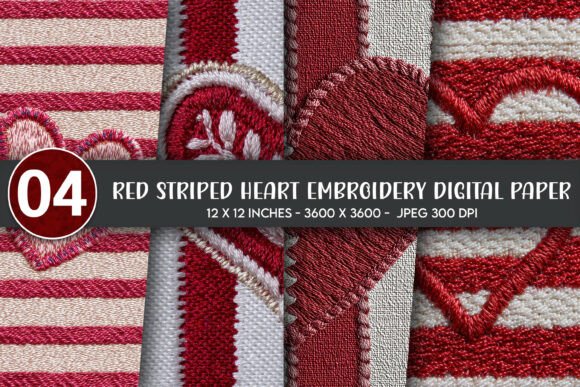
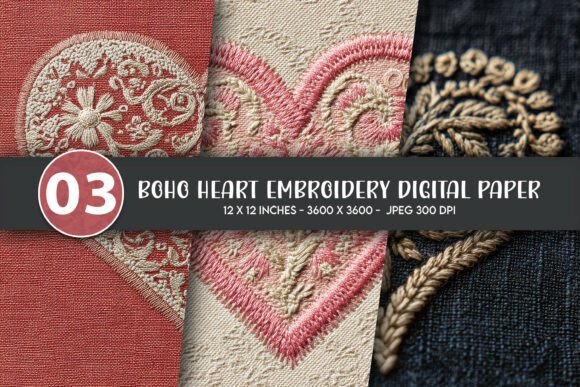
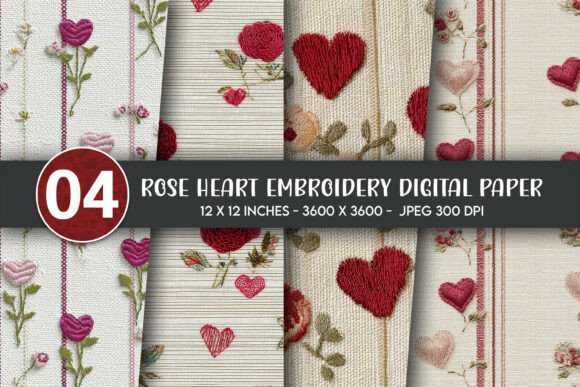
The layout of Rose Heart Embroidery Digital Paper immediately suggests a narrative. It balances the softness of the rose with the structural integrity of the heart shape, creating a visual anchor that works well as a standalone focal point. In terms of visual personality, it leans towards the timeless rather than the trendy. This is crucial for designers building a brand identity that needs to remain relevant season after season. The detail level is moderate, avoiding the trap of over-complication which often leads to muddy stitching results on smaller items.
I found the design naturally belongs in spaces where warmth and affection are the primary themes. It feels at home in nursery decor, bridal accessories, or as a subtle accent on a tote bag. Unlike some aggressive patterns that demand attention, this design invites the viewer to lean in closer. For an Etsy seller or small shop owner, this subtlety is a goldmine because it allows the product itself—the fabric quality, the cut, the finish—to shine alongside the embroidery without competing for dominance.
Real-World Application: From Screen to Stitch
To truly understand the utility of this file, I simulated a real-life scenario: preparing a custom embroidered tote bag for a local boutique's holiday collection. The goal was to create a limited run of bags that felt personal and handmade, not mass-produced. I loaded Rose Heart Embroidery Digital Paper into my machine and selected a natural canvas fabric with a slightly textured weave. The initial test run revealed exactly how the design translates from a digital pattern to a physical object.
The satin stitch areas held their shape beautifully, providing a smooth, glossy finish that contrasted nicely against the matte texture of the canvas. The fill stitches were dense enough to cover the fabric completely without showing the background, which is a common issue with lighter-colored threads on darker materials. However, I noticed that on the curved surface of a cap, the density might require a slight adjustment to prevent puckering. This is where the practical judgment of an experienced designer comes into play; knowing when to tweak the tension or switch stabilizers can mean the difference between a professional finish and a warped garment.
For commercial embroidery projects, such as branding on aprons or sweatshirt embroidery, this design offers excellent versatility. It serves as a powerful visual cue for "handmade" quality. When a customer sees a clean, well-executed embroidery file on a high-quality garment, their trust in the brand increases instantly. It signals that the maker cares about the details. Whether you are creating personalized gifts, wedding favors, or craft fair products, the clarity of this design ensures that the final product looks intentional and polished.
Navigating Challenges: Where Caution is Key
While Rose Heart Embroidery Digital Paper is robust, it is not without its limitations. Understanding where to use it carefully is just as important as knowing where it shines. For instance, attempting this design on very thin or stretchy fabrics without proper support can lead to distortion. The running stitch elements, if they exist within the detailed sections, might pull on lightweight jersey or silk unless a tear-away or water-soluble stabilizer is used effectively.
I also advise caution when considering small hoop sizes. If the design contains intricate corners or tiny lettering, reducing the scale too much can cause the stitches to merge, losing the definition that makes the design attractive. Similarly, on dark fabrics, the thread color contrast becomes critical. A light thread might get lost in the weave of a dark cotton, while a dark thread on a black shirt could disappear entirely. Always test your thread colors against your specific fabric texture before committing to a full production run.
Another area requiring careful consideration is products that need frequent washing. While the design is durable, the longevity of the embroidery depends heavily on the stability of the underlying material. Decorative accents on items like throw pillows or kitchen towels will hold up well, but on items that undergo heavy agitation, like workwear or children's clothing, the stitch density must be sufficient to prevent fraying over time.
Design Notes for the Practical Maker
Before you rush to produce your next batch of custom apparel or digital product previews, there are several technical steps you should take to ensure success. First and foremost, always test the design on scrap fabric. This simple step reveals how the stitch density interacts with your specific machine and thread combination. Check the thread color contrast by viewing the sample in different lighting conditions; what looks vibrant in studio light might appear dull in natural sunlight.
Review the stitch types closely. If the design relies heavily on satin stitch, ensure your machine can handle the required width without skipping. If it uses fill stitch, verify that the coverage is even. Confirm the hoop size requirements by checking the dimensions of the design file; trying to force a large design into a small hoop can result in truncated edges. Inspect small details under magnification to ensure they will remain legible once stitched.
It is also wise to test the design in black and white mockups. This helps you visualize the value and contrast of the design without the distraction of color. Compare how it looks on both light and dark fabric backgrounds to determine the most versatile thread palette. Use the proper stabilizer for your chosen fabric type—cut-away for stretchy knits and tear-away for wovens. Finally, confirm whether the licensing allows for both personal and commercial projects. Many designers overlook this, leading to legal issues down the line.
Final Thoughts on Value and Presentation
In the world of craft business and Etsy sellers, presentation is everything. Rose Heart Embroidery Digital Paper elevates the perceived value of any finished product. When a buyer receives a personalized gift or a small shop product featuring this design, they see a level of craftsmanship that commands a higher price point. The design fosters recognition and professionalism, making it easier for you to build a loyal customer base.
Whether you are creating holiday embroidery pieces, baby embroidery for a new arrival, or embroidered patches for a uniform, this asset provides a solid foundation. It fits seamlessly into categories like wall decor, posters, and greeting cards, offering a cohesive look across various design assets. By taking the time to evaluate the design through the lens of real-world use, you ensure that your creative vision translates perfectly into a tangible, beautiful reality.
Ultimately, Rose Heart Embroidery Digital Paper is more than just a pattern or a graphic; it is a tool for expression. It respects the maker's process and rewards the user with a clean, elegant result. For those looking to expand their embroidery project portfolio with something reliable and visually appealing, this design deserves a spot in your library. Just remember to respect the technical constraints, test thoroughly, and let the quality of your execution speak for itself.