Carpenter Tools Embroidery Design Review
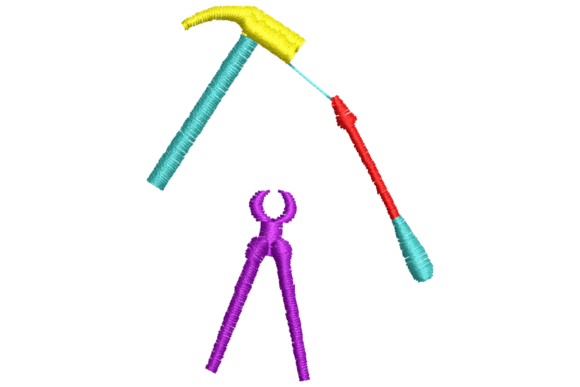
As someone who has spent years reviewing digital assets for the embroidery community, I often find myself looking past the pretty mockups to see how a design actually performs under the needle. Today, I am putting the Carpenter Tools Embroidery Design through its paces. At first glance, it presents a strong, practical theme featuring a collection of classic carpenter and woodworking tools arranged in a clean, detailed style. While the product category is listed as Babies, which initially raised an eyebrow regarding the target audience, the versatility of this machine embroidery design suggests it could easily transcend that label if used with the right creative vision.
The first impression of this design is one of rugged reliability. It does not try to be overly whimsical or soft; instead, it leans into the sturdy nature of craftsmanship. When I imagine stitching this out, I immediately think of satin stitch for the outlines of the hammers and wrenches, providing a crisp, reflective finish that catches the light. The fill stitches within the tool heads promise a solid texture that will hold up well against wear and tear. This visual personality makes it a natural fit for items that are meant to be used, rather than just displayed.
Let me share a real-life scenario where I would deploy this design. Imagine you are preparing a custom embroidered tote bag for a local hardware store's anniversary event or creating a personalized gift for a father-to-be who is also a woodworker. You want something that speaks to his trade without being cliché. Placing the Carpenter Tools Embroidery Design on the chest pocket of a heavy-duty canvas apron or centered on a durable sweatshirt creates an instant connection. The design feels authentic here. It signals competence and pride in workmanship. If you are an Etsy seller looking to expand your catalog, this design offers a unique angle: baby items for future builders. A onesie or a small bib featuring these tools can be a charming way to introduce a child to their parent's craft, provided the scale is adjusted correctly.
However, moving from concept to execution requires careful consideration of the fabric texture and the stability of the base material. The design features detailed elements that demand a stable foundation. If you attempt to stitch this on a thin, stretchy fabric like a standard jersey t-shirt without proper stabilization, you risk distortion. The dense stitch areas typical of tool illustrations can pull the fabric if the hoop size is too small or if the stabilizer is insufficient. For best results, I recommend using a cut-away stabilizer for heavier garments like denim jackets or thick cotton aprons to ensure the design retains its shape after multiple washes.
When evaluating where this design should be used carefully, we must look at curved surfaces like caps. While many designs translate well to hats, the specific arrangement of tools in the Carpenter Tools Embroidery Design might require significant digitizing adjustments to accommodate the curve of a cap front. Trying to force a flat layout onto a curved surface can result in puckering or misaligned details. Similarly, small hoop sizes present a challenge. If you attempt to shrink this design down for a tiny patch or a miniature baby bootie, you may lose the definition of the smaller tools. In such cases, the intricate lines could merge, making the design look muddy rather than sharp.
The visual appeal of the finished product relies heavily on thread color contrast. On dark fabrics, the clarity of the design depends on selecting bright, high-contrast threads. A silver or white outline on a navy blue background will make the tools pop, whereas a black outline on a charcoal shirt might get lost. This is crucial for commercial embroidery projects where brand consistency matters. Customers expect a professional finish, and a poorly chosen thread palette can undermine the perceived value of the handmade product. When creating printable mockups for your shop listings, test the design in black and white first to ensure the shapes remain distinct even without color.
For those considering this design for baby products, the context shifts slightly. While the theme is industrial, the application on baby clothes requires a softer touch. The design should be scaled down and perhaps paired with softer colors to avoid looking too harsh on delicate skin. Using this as an embroidered patch on a child's play apron allows the rugged theme to shine while protecting the main garment. It becomes a playful nod to the "little builder" aesthetic. However, always inspect small details before finalizing the order. If the design includes tiny lettering or very fine lines, verify that they are legible when stitched at the intended size.
Practical advice for the seasoned designer is to always test the design on scrap fabric first. This step cannot be overstated. Check the stitch density to ensure the machine is not overloading the fabric, which can lead to thread breakage or skipped stitches. Confirm the hoop size matches the dimensions of the design to prevent unnecessary trimming or shifting during the run. Inspect the small details closely once the sample is complete; sometimes what looks good on screen appears different in thread form. Compare light and dark fabric backgrounds to determine the most versatile colorway for your inventory.
Furthermore, consider the longevity of the finished product. Items that need frequent washing, such as kitchen towels or work aprons, benefit from high-quality thread and robust stitching techniques. The Carpenter Tools Embroidery Design, with its strong lines, is well-suited for these applications. It resists fading and maintains its integrity better than more delicate floral patterns might. For craft business owners, this means higher customer satisfaction and fewer returns due to design failure. Professionalism in your output builds trust with buyers who are paying a premium for handmade goods.
Before you dive into production, remember to check the licensing terms. Not all digital embroidery files allow for commercial use in finished products. Confirm whether you can sell items made with this design or if it is restricted to personal use only. This distinction is vital for digital product sellers and small shop owners who rely on consistent revenue streams. Additionally, review the file formats to ensure compatibility with your specific embroidery machine. While the design promises a clean, detailed style, the actual performance depends on the quality of the underlying code and the skill of the operator.
In conclusion, the Carpenter Tools Embroidery Design is a versatile asset for any maker who appreciates a blend of utility and aesthetics. Whether you are decorating a sweatshirt for a client, creating a boutique product for a holiday gift, or designing a custom apparel line, this file offers a solid foundation. Its practical theme resonates with a wide audience, from hobbyists to professional decorators. By paying attention to fabric selection, stabilizer choice, and thread contrast, you can transform this digital file into a stunning finished product that stands out in a crowded market. Just remember to test thoroughly and respect the limitations of the medium to ensure every stitch tells the right story.