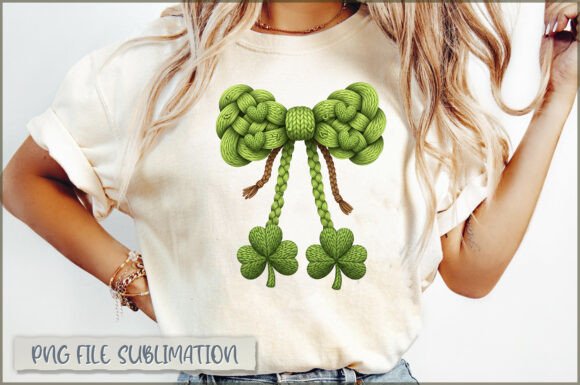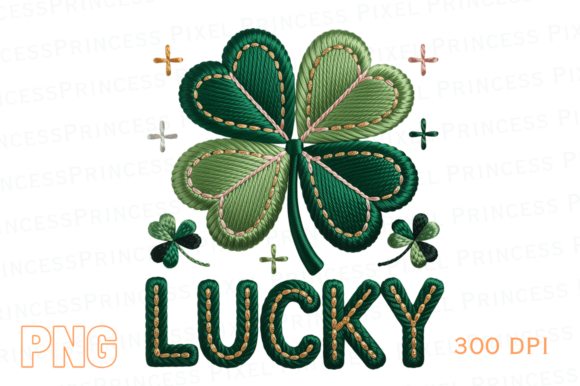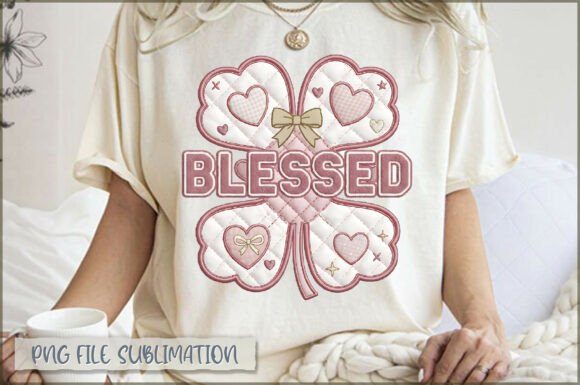
Blessed Quilted Clover Embroidery PNG
Stepping up to a craft fair booth is always a gamble. You spend weeks preparing your inventory, arranging your displays, and hoping that passersby will stop long enough to see the quality of your work. As an experienced embroidery designer who has spent countless hours behind the hoop, I know that the difference between a product that sits on a table and one that flies off it often comes down to a single design element. Recently, I examined the Blessed Quilted Clover Embroidery PNG, a digital asset described as a preppy faux yarn embroidery St. Patrick's Day sublimation design with latch hook yarn and faux crochet styles. My goal was to determine if this piece could anchor a weekend market collection.
The first impression of Blessed Quilted Clover Embroidery PNG is undeniably festive yet sophisticated. The description highlights "faux yarn" and "latch hook" textures, which immediately suggests a tactile, cozy aesthetic rather than a flat, digital look. In the crowded world of St. Patrick's Day crafts, where green and gold can easily become kitschy, this design offers a fresh, modern take. It feels soft, decorative, and premium. For a handmade shop owner or Etsy seller, this is exactly the kind of visual appeal that stops a customer in their tracks. It bridges the gap between rustic farmhouse charm and contemporary preppy style, making it versatile for various demographics.
Product Potential: Where This Design Shines
When I visualize setting up a display for a weekend fair, I think about how different products showcase specific design strengths. The Blessed Quilted Clover Embroidery PNG is not just a graphic; it is a statement piece that needs the right canvas to truly sing. Based on its texture and composition, here is how I see it performing across key craft fair categories:
- Tote Bag Design: A sturdy canvas tote is the perfect vehicle for this design. The faux crochet texture would look incredible when stitched onto natural cotton bags, creating a high-end feel that justifies a higher price point. Customers love carrying home something that looks artisanal, and a large, textured clover motif makes a bold statement on the front of a bag.
- Apron Embroidery: For the kitchen-focused crafter, placing this design on a linen apron creates a charming focal point. The "Blessed" aspect adds a touch of warmth and gratitude, making it an ideal gift item. The preppy style fits perfectly in a modern kitchen, appealing to those who want to celebrate the holiday with elegance rather than clichés.
- Tea Towel Embroidery: Kitchen linens are perennial best-sellers at craft fairs. The detailed nature of the faux yarn style translates beautifully to towels, adding depth that standard satin stitch designs lack. It photographs exceptionally well for online listings, which is crucial for an Etsy seller looking to drive traffic to their booth.
- Embroidered Patch: If you are producing small accessories, this design works wonders as a detachable patch for jackets or backpacks. The latch hook aesthetic gives it a unique, handcrafted look that stands out against denim or leather.
- Pillow Covers and Market Bags: For larger items like pillow covers, the design allows for a generous use of space, letting the texture breathe. On market bags, it serves as a stylish accent that elevates a simple utility item into a fashion accessory.
Production Realities and Practical Selling Points
While the visual potential is high, turning a digital file into a physical finished product requires careful consideration. As a designer reviewing this for commercial use, I must evaluate the practicalities of production. The description mentions "faux yarn" and "latch hook," which implies a complex stitch structure intended to mimic thick, chunky threads. This is excellent for visual interest but demands attention to detail during digitization.
For a small shop product line, efficiency matters. Is this design easy to understand at a glance? Yes. Does it work as a small accent or a large focal design? It seems best suited as a focal design. Attempting to shrink it too much might lose the intricate "crochet" details, rendering it muddy. Therefore, it should be used on items where the design area is substantial, such as the chest of a cap, the center of a towel, or the full panel of a tote bag.
Photography for online listings is another critical factor. The textural promise of this embroidery file means that lighting and angles in your photos will make or break the sale. A flat-lay photo won't do it justice; you need close-ups that show the raised, yarn-like stitches. When customers see that level of detail in a printable mockup or real photo, they perceive higher value, which increases conversion rates.
Design Constraints and Careful Use Notes
Every machine embroidery design has its limitations, and understanding them prevents costly mistakes. The primary concern with designs promising "faux yarn" or "latch hook" effects is stitch density. Dense areas can cause fabric puckering, especially on thinner materials like tea towels or light-weight cotton.
If you plan to use this on dark fabric, thread contrast becomes paramount. The "preppy" vibe usually relies on bright, crisp colors, so ensure your thread selection pops against the background. Additionally, curved surfaces like caps can distort complex patterns. You must test the placement carefully to ensure the clover shape remains symmetrical and recognizable after stitching.
Small lettering or tiny details within the design may get lost if the file is resized without re-digitizing. Always verify the original dimensions before scaling. If the design includes dense stitch areas, using the wrong stabilizer can lead to tearing or poor definition. For textured fabrics, the needle penetration might be difficult, so a cut-away stabilizer is often necessary to support the weight of the heavy-looking stitches.
Designer's Checklist for Commercial Success
Before committing to a full batch production run for your next craft fair, follow these essential steps to ensure the Blessed Quilted Clover Embroidery PNG delivers results:
- Test on Scrap Fabric: Never go straight to your final product. Stitch the design on a scrap of the exact same material you intend to sell. This reveals issues with tension, puckering, or color bleeding immediately.
- Check Thread Contrast: Evaluate how the chosen thread colors interact with the fabric. Do they blend in too much, or do they stand out effectively?
- Review Spacing and Hoop Size: Confirm that your hoop size accommodates the design without cutting off edges. Ensure there is enough margin around the design for finishing touches.
- Inspect Stitch Density: Look closely at the finished sample. Are the stitches too tight, causing the fabric to bunch? Are they too loose, leaving gaps? Adjustments may be needed.
- Create Real Mockups: Beyond digital renderings, create at least one real-world sample. Showcasing a physical prototype builds confidence in your brand consistency.
- Compare Fabric Colors: Test the design on white, cream, and pastel greens to see which background enhances the "Blessed" theme most effectively.
- Confirm Commercial Licensing: Before selling any commercial embroidery products made from this digital embroidery file, review the license terms. Ensure you have the rights to produce and sell the finished goods.
The Blessed Quilted Clover Embroidery PNG represents a strong opportunity for creative entrepreneurs looking to expand their design assets. Its unique texture and festive yet elegant mood position it perfectly for the handmade market. By paying attention to production nuances and selecting the right products, you can transform this digital illustration into a standout craft fair product that resonates with customers and drives sales.
In the end, success at a market booth comes from offering items that feel special and well-crafted. This design, with its promise of faux yarn and crochet aesthetics, provides that tangible sense of quality. Whether you are hanging a banner for your Illustrations category or showcasing a new line of Graphics, this piece offers the visual depth needed to engage buyers and elevate your brand presence.