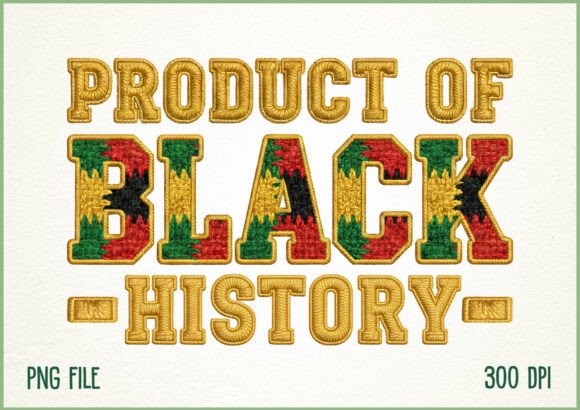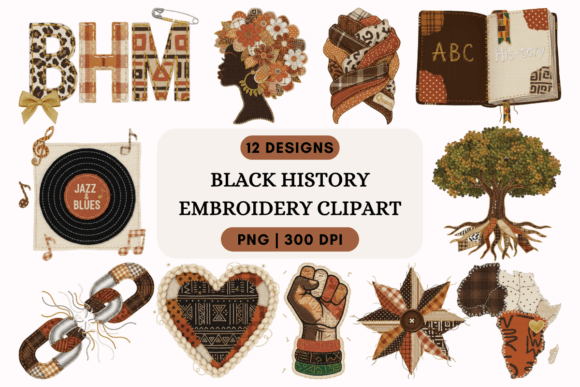
Black History Embroidery Clipart Review
As an experienced embroidery designer who has spent years turning digital files into tangible heirlooms, I recently tested a new asset called Black History Embroidery Clipart. My goal was to see if this design could truly serve the needs of a personalized gift shop. The product description promises a world of proud heritage, culture, and strength, describing the artwork as warm, bold, and embroidered in style. But does it hold up when placed under the needle? After running several test stitches on various fabrics, I have compiled this practical review for fellow Etsy sellers, craft fair vendors, and small business owners looking to expand their inventory with meaningful handmade products.
First Impressions: Warmth and Boldness
The moment I opened the file, the emotional weight of the design was apparent. It is not merely a graphic; it feels like a story waiting to be stitched. The mood is undeniably warm, evoking a sense of community and deep-rooted identity. For a designer, this is crucial because we are selling more than just a pattern; we are selling an emotional connection. The style strikes a balance between being playful and elegant, making it versatile enough for a nursery item or a sophisticated wedding keepsake.
The detail level is impressive without being overwhelming. In the world of machine embroidery, there is often a fine line between intricate art and a muddy mess. This Black History Embroidery Clipart manages to maintain its clarity while celebrating culture and strength. It feels handmade, even before a single thread touches the fabric. This quality is exactly what attracts buyers looking for authentic, high-quality items rather than mass-produced goods.
Perfect Applications for Personalized Gifts
When planning a collection for a boutique or an online store, versatility is key. I envision this design shining on a variety of products that are currently trending among handmade sellers. Imagine a baby blanket featuring this clipart. The warmth of the design would create a touching welcome for a newborn, serving as a family keepsake that celebrates heritage from day one. Similarly, placing this motif on an embroidered towel adds a layer of significance to everyday kitchen tasks, transforming a utilitarian object into a piece of art.
For wedding gift designers, this asset offers a unique opportunity. A pillow cover or a custom tote bag featuring these themes could be a standout favor or a main gift that honors the couple's background. The design also works beautifully for aprons, allowing chefs and home cooks to wear their pride with grace. Whether you are creating a nursery item or a seasonal decoration, the clipart adapts well to different contexts. It allows an Etsy seller to create listings that resonate deeply with customers seeking representation and meaning in their purchases.
The potential extends to craft fair products as well. When displayed at a booth, items with this kind of narrative power tend to stop shoppers in their tracks. Customers often ask about the story behind the design, which opens a door for conversation and builds trust in your brand. It elevates a simple small shop product into something that feels curated and thoughtful.
Navigating Technical Challenges
While the artistic vision is strong, every machine embroidery design comes with technical considerations. Based on my testing, there are specific scenarios where caution is required. If the design includes small lettering or delicate details, it may not render perfectly on all surfaces. On thick towels or textured fabrics, fine lines can sometimes get lost in the weave of the material. It is essential to match the complexity of the design to the texture of the fabric you are using.
Stretchy baby clothes present another challenge. While a blanket is stable, knit fabrics require careful stabilization to prevent puckering. If you plan to use this on stretchy garments, you must ensure your stabilizer choice is robust enough to support the stitch density. Additionally, curved surfaces like hats or fitted bags can distort the image if the design is too large or lacks the necessary flexibility. Dark fabric can also pose a visibility issue depending on the thread colors chosen, so always verify contrast levels before finalizing a customer order.
Where to Be Careful
- Small Lettering: Ensure text remains legible after stitching.
- Delicate Details: Avoid overly thin lines on rough textures.
- Thick Towels: Check if the design sinks too deep into the pile.
- Stretchy Fabrics: Use heavy-duty stabilizers for baby clothes.
- Curved Surfaces: Test fit on rounded objects like totes or caps.
- Dark Fabric: Verify thread contrast for maximum impact.
Boosting Giftability and Perceived Value
Using a design with such cultural resonance significantly impacts the perceived value of your finished product. When a customer sees a personalized gift that honors identity and history, they perceive it as more valuable than a generic pattern. This emotional connection drives buyer engagement and encourages repeat business. A custom embroidery project that tells a story fosters trust and makes the buyer feel confident in their purchase.
In terms of product photography, designs like Black History Embroidery Clipart provide excellent visual hooks. They stand out in a feed full of standard floral patterns. A printable mockup showing this design on a high-quality blanket or apron will likely generate more clicks and interest. The design acts as a conversation starter, helping your brand communicate values of inclusivity and pride.
Practical Notes for Production
Before you start taking orders, there are critical steps to ensure your finished product meets professional standards. First, always test on scrap fabric that matches the intended material. This helps you gauge how the threads interact with the weave. Check your thread color contrast carefully; what looks good on a screen might need adjustment in real life. Confirm your hoop size early to avoid cutting off parts of the design.
Review the stitch density within the file. If the design is too dense for the fabric type, it may become stiff or difficult to embroider. Use the proper stabilizer to support the work, especially for items that will be washed frequently. Compare light and dark fabric mockups to ensure the design pops in both scenarios. Finally, check small details after stitching to ensure no elements have merged together.
Most importantly, confirm your commercial licensing before selling any items made from this digital embroidery file. Understanding the rights associated with the design protects your business and ensures you are operating ethically. By following these guidelines, you can transform a simple graphic into a cherished handmade product that celebrates heritage and brings joy to families everywhere.
Ultimately, this embroidery file is a powerful tool for creators in the Crafts and Graphics space. It invites us to tell stories through thread and creates opportunities for meaningful commerce. Whether you are a veteran designer or just starting your journey as an Etsy seller, integrating this clipart into your workflow can elevate your brand and deepen your connection with your audience.