Bee Kind Embroidery Review for Real Projects
In the world of handmade goods and custom apparel, the difference between a generic item and a standout product often comes down to the specific design assets you choose. As an experienced designer who has stitched thousands of items for clients ranging from boutique owners to craft fair enthusiasts, I look for designs that balance whimsy with technical feasibility. Today, I am putting Bee Kind Embroidery through its paces to see if it holds up when moving from a digital preview to a physical finished product.
First Impressions: Mood and Visual Personality
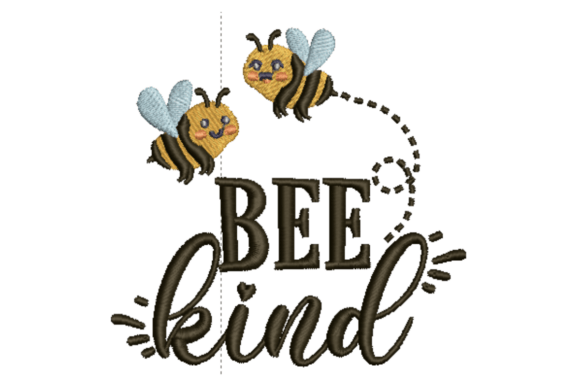
The moment you open the file for Bee Kind Embroidery, the intent is clear. This isn't just a graphic; it is a mood setter. The description mentions two cheerful bumblebees with rosy cheeks and fluttery wings, which translates well into a machine embroidery context. The layout feels balanced, avoiding the cluttered look that often plagues nursery-themed files. It creates an immediate sense of warmth and positivity without feeling overly childish or dated.
For a designer eyeing this for a commercial project, the visual personality is key. The design naturally belongs in spaces where comfort and friendliness are paramount. Whether it is for a baby shower gift, a nursery wall hanging, or a soft sweatshirt for a new parent, the theme fits seamlessly. The "Bee Kind" message adds a layer of social value that modern consumers appreciate, making it a strong candidate for brands that want to convey approachability and kindness.
Real-World Application: From File to Fabric
Let's imagine a real scenario. You are preparing inventory for an upcoming holiday market or fulfilling a rush order for a local boutique. You decide to use Bee Kind Embroidery on a set of canvas tote bags intended as eco-friendly gifts. This is a common use case for small business owners and Etsy sellers looking to expand their product line.
When stitching this design onto the canvas, the performance depends heavily on how the machine embroidery design handles the fabric texture. The cheerful bees, with their implied satin stitch bodies and fill stitches for wings, should pop against a neutral canvas background. However, if you plan to put this on a dark-colored tote, the thread color contrast becomes critical. The rosy cheeks need to be visible, so selecting the right thread colors is not just an aesthetic choice but a functional one. If the design is intended for a white tee shirt, the contrast might be too subtle unless the bee outlines are bold enough.
I also considered using this design for a custom embroidered patch. The shape of the bees suggests a clean outline, which would work well for a patch that needs to withstand frequent washing and handling. For a small shop product like a kitchen towel, the design offers a nice focal point above the pocket or centered on the fold. The whimsical nature of the bees makes it highly giftable, appealing to customers who buy personalized gifts for friends and family.
Nursery and Baby Items: A Natural Fit
The category tag of Nursery is spot-on for this file. In my experience, parents and grandparents are always looking for unique, non-generic items for the little ones. Bee Kind Embroidery works exceptionally well on baby clothes, such as onesies or bonnets. The soft curves of the bees mimic the gentle lines often found in nursery decor.
However, when working with baby embroidery, stability is everything. The design features detailed elements like fluttery wings and rosy cheeks. On a thin cotton onesie, these details could get lost if the stabilizer isn't chosen correctly. The design shines when applied to slightly heavier fabrics like fleece or thick cotton blends used for blankets or pillow covers. For a boutique branding project, placing this design on a high-quality baby blanket can significantly increase the perceived value of the finished product.
Where to Exercise Caution
While Bee Kind Embroidery is versatile, there are specific scenarios where it requires careful consideration. Small hoop sizes are a primary concern. If you attempt to stitch this on a cap or a tiny hat, the detail level of the bees might get compromised. Curved surfaces like caps can distort the layout of the bees, making them look uneven or squished. Unless the file is specifically digitized for curved surfaces, I would advise against using it on tight-fitting headwear.
Textured fabrics also pose a challenge. If you try to embroider this on a chunky knit sweater or a heavily textured linen, the fine details of the wings and cheeks may not register clearly. Similarly, thin fabrics require a heavy-duty stabilizer to prevent puckering, especially around the dense stitch areas of the bees' bodies. If the design includes any lettering, ensure it is large enough to remain legible after washing. Tiny lettering on a frequently washed garment, like a child's play apron, will quickly fade or blur.
Impact on Brand and Customer Trust
Using a well-executed design like Bee Kind Embroidery directly influences customer trust. In the world of handmade products, presentation is half the battle. A clean, crisp stitch job signals professionalism. When a buyer sees a well-defined bee design on a tote bag or a baby outfit, they assume the entire brand operates with similar attention to detail. Conversely, a sloppy stitch job on a simple design can ruin the perception of the whole product.
This design asset is particularly strong for digital product previews. If you are a digital product seller creating mockups for your Etsy listings, the bright, cheerful colors of the bees will catch the eye immediately. It helps drive engagement by offering a tangible example of the "happy" feeling the product promises. For commercial embroidery projects, having a reliable design reduces the risk of returns due to poor aesthetics, which is vital for maintaining a positive reputation.
Practical Designer Notes for Execution
Before you commit to a full production run, follow these practical steps to ensure success. First, test the design on scrap fabric that matches your final material. This allows you to check the stitch density and see how the threads interact with the weave of the fabric. Always review the thread color contrast; sometimes a design looks great in a digital preview but fails under natural light.
Confirm your hoop size before starting. If the design is larger than your machine's maximum hoop, you may need to split the file, which can lead to alignment issues. Inspect the small details, such as the wings, to ensure they won't snag or break during the stitching process. Testing the design in black and white mockups can help you visualize the stitch structure without the distraction of color.
Finally, verify your licensing terms. If you intend to sell finished items featuring Bee Kind Embroidery, you must confirm whether the license permits commercial use. Some digital embroidery files are for personal use only, while others allow you to sell a limited number of physical products. Understanding these terms protects your small business from legal issues and ensures you are paying the correct fees for the design assets you are using.
By approaching Bee Kind Embroidery with a critical eye and a focus on practical application, you can turn a simple digital file into a beloved physical product. Whether you are decorating a holiday gift or launching a new line of nursery items, this design offers the charm and clarity needed to succeed in a competitive market.